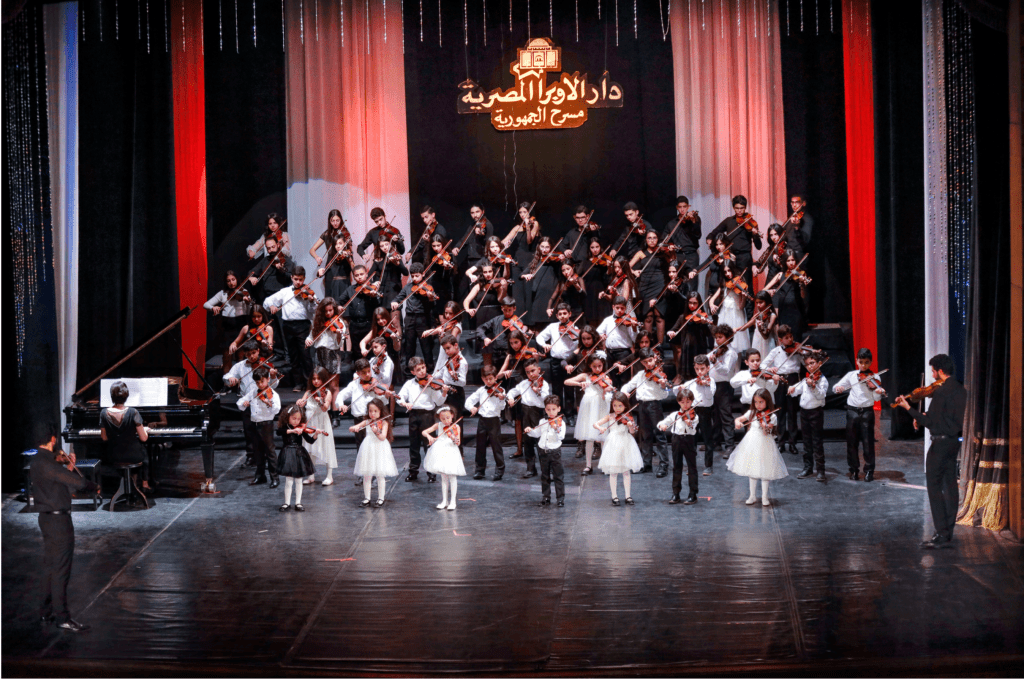
The Suzuki Method, created by Japanese violinist and educator Dr. Shinichi Suzuki, is one of the most influential approaches to music education in the world. Rooted in the belief that “Every Child Can”, it treats music learning as a natural process, much like learning a mother tongue, and emphasizes listening, repetition, and a supportive environment involving both teacher and parent.
In Egypt, the Suzuki Method has been transforming the lives of young musicians for more than three decades. Its history is shaped by the pioneering efforts of Dr. Osman El Mahdy, who introduced the first Suzuki violin class at the Cairo Opera House in 1993, and Dr. Mona Fekry, who founded the first Suzuki piano class in 1997. Their commitment to the Suzuki philosophy extended beyond teaching: in 2001, Dr. Mona Fekry’s husband, Dr. Mohsen Edward, translated Dr. Shinichi Suzuki’s seminal book Nurtured by Love into Arabic, making the Method’s core principles accessible to a wider Arabic-speaking audience. By 2007, a new chapter began when Georges and Samuel Mohsen, among the first Egyptian students trained through the Suzuki Method, established the first Suzuki violin class outside the Cairo Opera House. This pivotal step brought Suzuki education into the wider community, expanding access beyond institutional boundaries and reinforcing a growing network of teachers, students, and families inspired by a philosophy that nurtures both musical excellence and character.
1993 – First Suzuki Violin Class in Egypt – Dr Osman El Mahdy
The story began in November 1993 at the Cairo Opera House, where the first Egyptian class to learn the Suzuki Method was launched under the name Min-On Class Kobayashi/Suzuki Method. This initiative was made possible through a collaboration between the Cairo Opera House and the Min-On Concert Association in Japan.
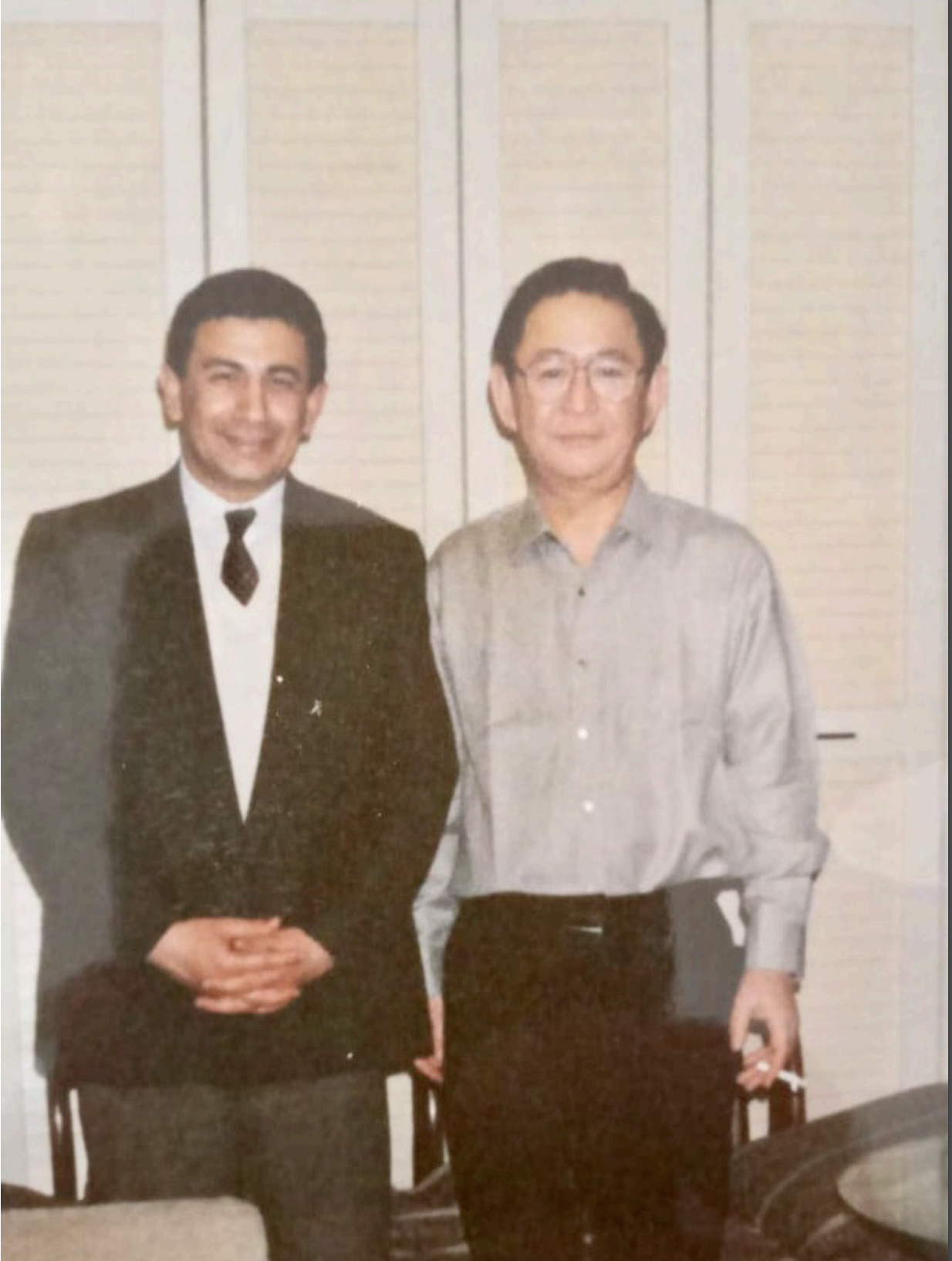
Japanese violinist and teacher Takeshi Kobayashi, a distinguished Suzuki educator, traveled to Cairo to introduce the method and train Egyptian violinist Dr. Osman El Mahdy. Together, they taught Egypt’s first Suzuki violin students, applying the core principles of listening, imitation, and gradual skill-building.
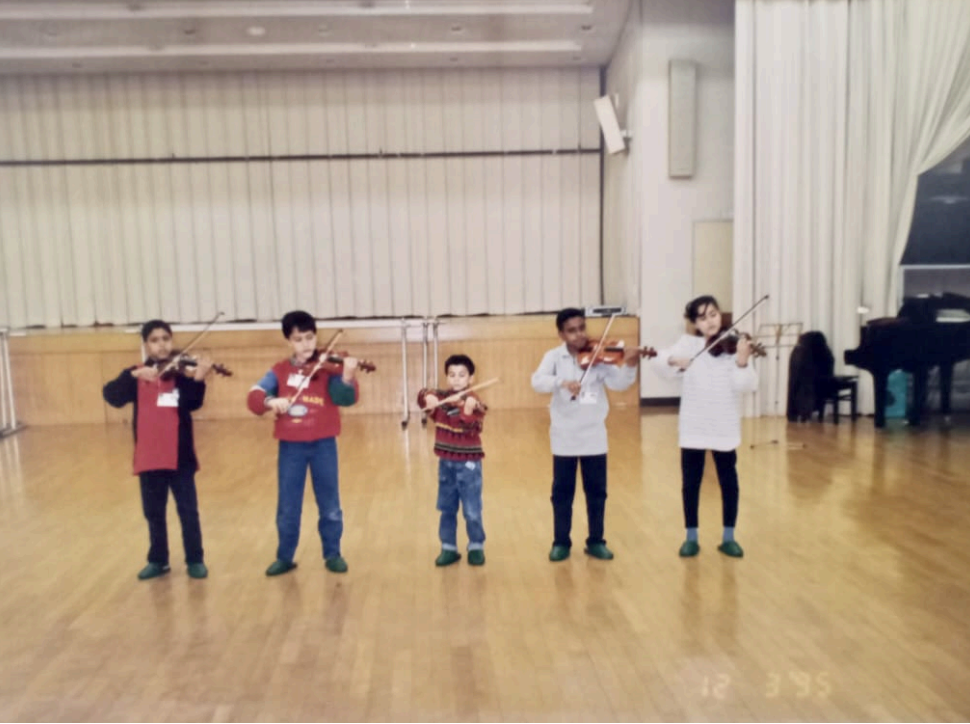
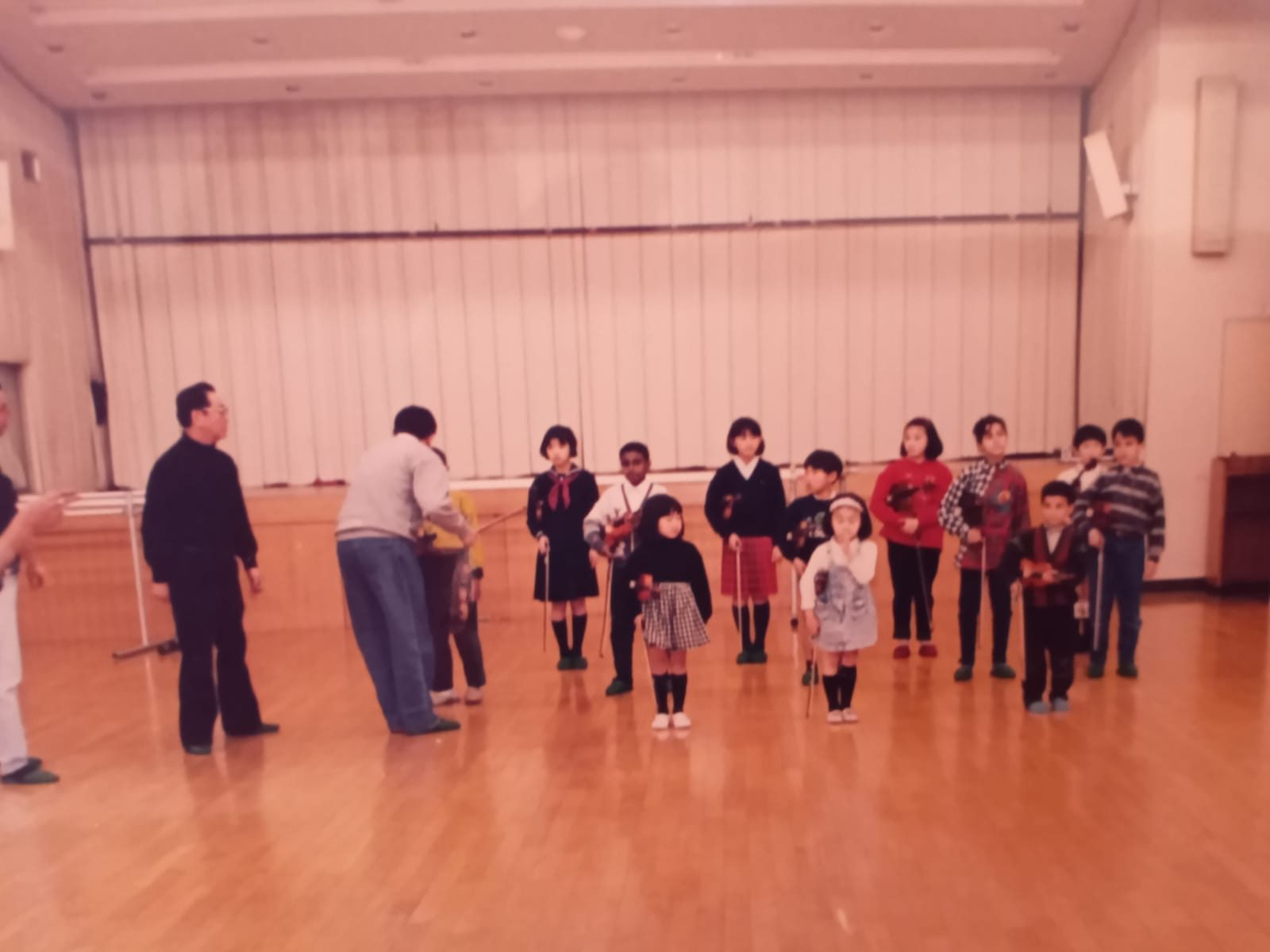
1994- Egyptian Suzuki students perform in Japan
Kobayashi returned to Egypt in June 1994 for a five-week follow-up. During this time, he invited Dr. Osman to Japan, where he received further training and attended the annual Suzuki concert. This trip was historically significant, as Dr. Osman had the opportunity to meet Dr. Shinichi Suzuki himself, who expressed great satisfaction that his method was being embraced at the Cairo Opera House and was benefiting young Egyptian musicians.
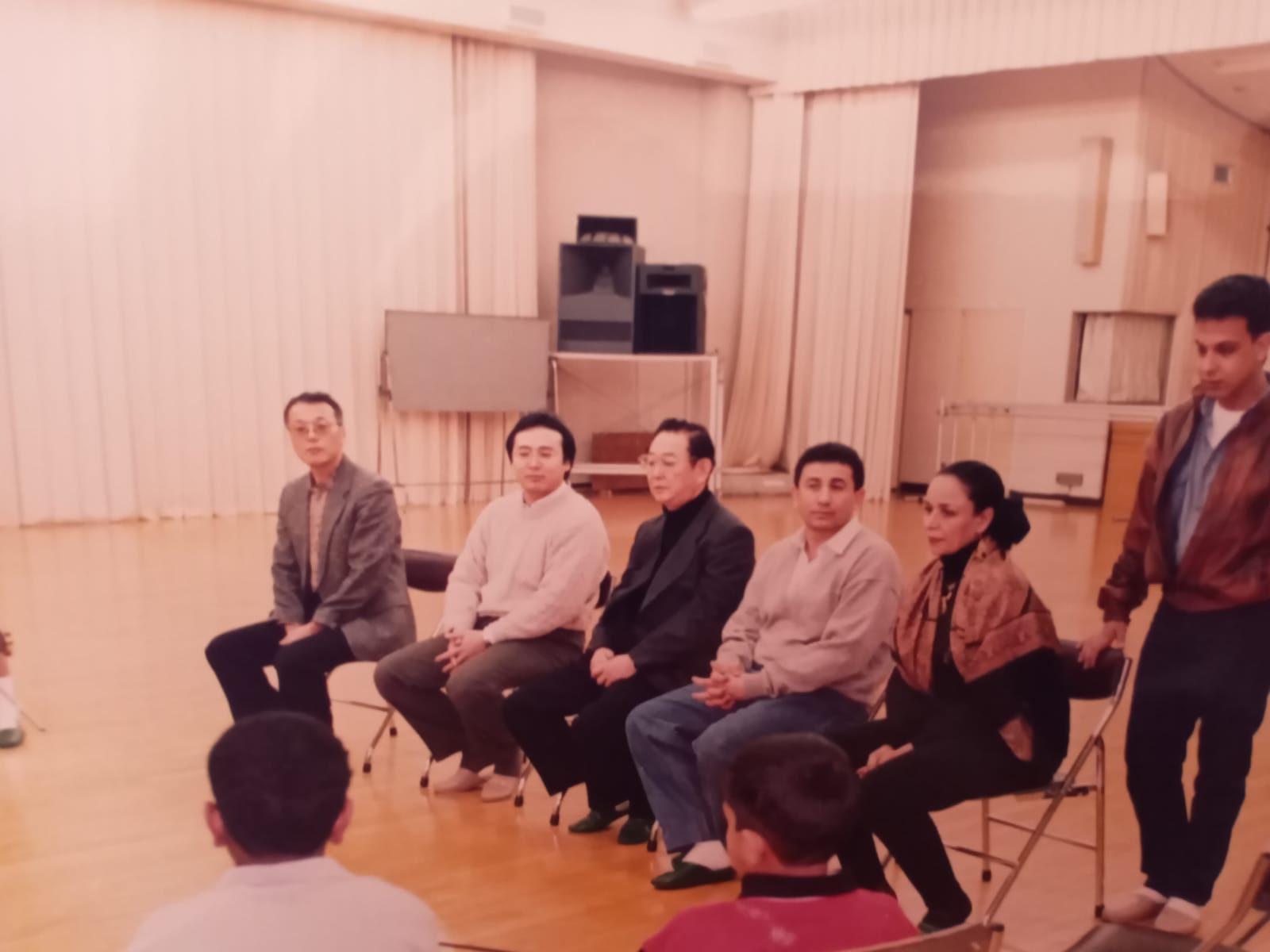
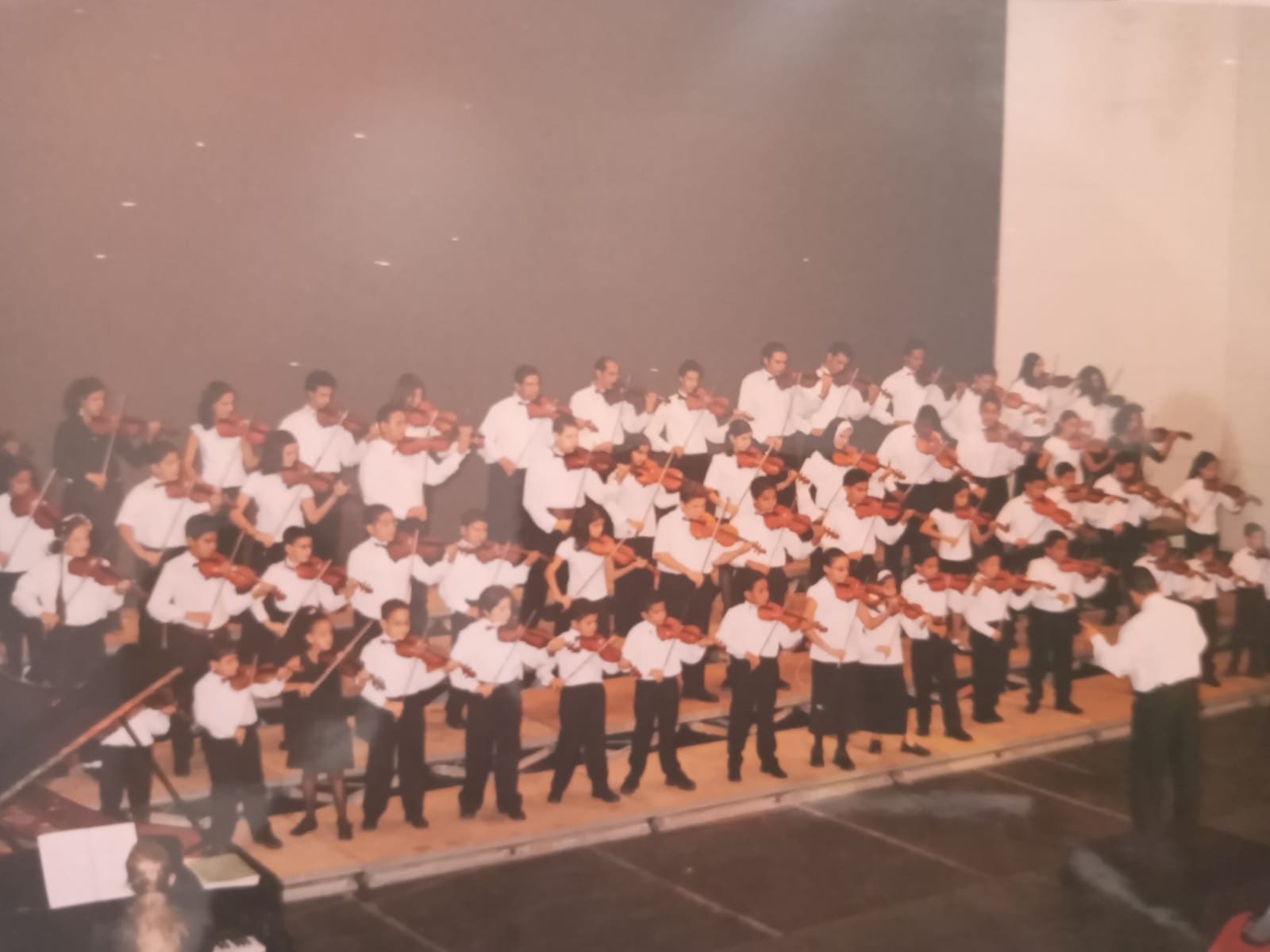
1997 – The First Suzuki Piano Program and the Birth of the Cairo Suzuki Music Center
In 1997, Egyptian pianist Dr. Mona Fekry expanded the Suzuki Method beyond violin by introducing Egypt’s first Suzuki piano program.
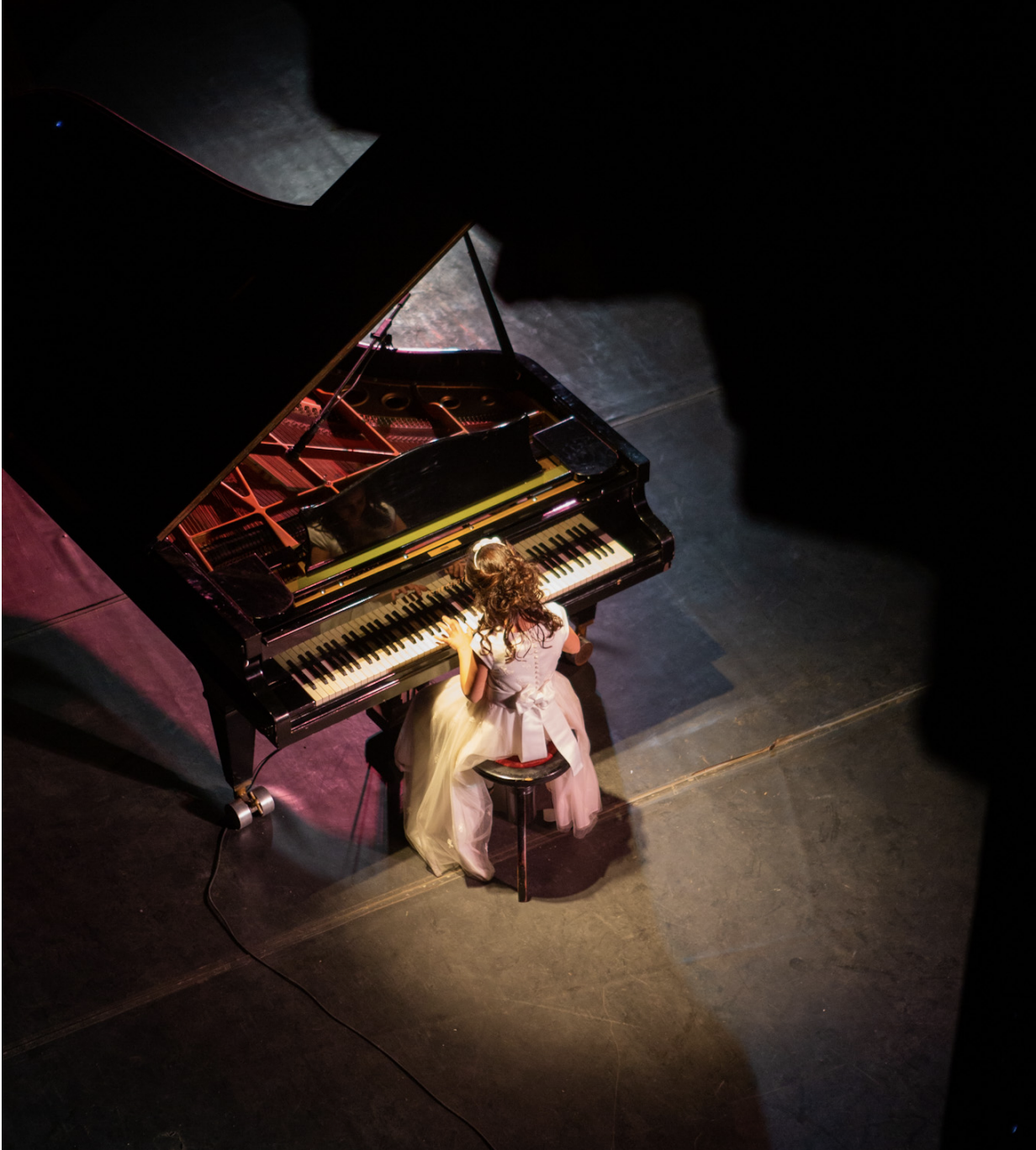
The same year, she founded the Cairo Suzuki Music Center, the first independent institution dedicated to Suzuki music education outside the governmental programs of the Cairo Opera House and, later, the Alexandria Opera House.
This represented a turning point in the history of music education in Egypt.
For the first time, families could study the Suzuki Method in an independent educational environment, making high-quality music education accessible to a much broader community beyond the Opera House system.
A member of the International Suzuki Association, Dr. Mona Fekry combined her extensive classical training with a passion for early childhood music education.
She studied at the Cairo Conservatory under Noémie Mélikian, herself a student of legendary French pianist Alfred Cortot, founder of the École Normale de Musique de Paris, and later under distinguished Egyptian pianist Marcelle Matta.
Her introduction to the Suzuki Method came through her own family. Her sons, Georges and Samuel Mohsen, were among the earliest Egyptian violin students to study with Dr. Osman El Mahdy at the Cairo Opera House. Seeing the Method’s remarkable impact on their musical and personal development inspired her to dedicate herself completely to Suzuki education.
Originally trained as a physician, Dr. Mona practiced medicine for three years before leaving the profession to devote her life entirely to music education.
Today, the Cairo Suzuki Music Center is recognized as Egypt’s first and largest independent institution implementing the Suzuki Method, offering piano and violin lessons for children from the age of three through a balanced program of individual instruction, group classes, concerts, workshops, and parent education.
2000 – Bringing the Suzuki Philosophy to the Arabic World
The family’s commitment to the Suzuki Method extended beyond teaching.
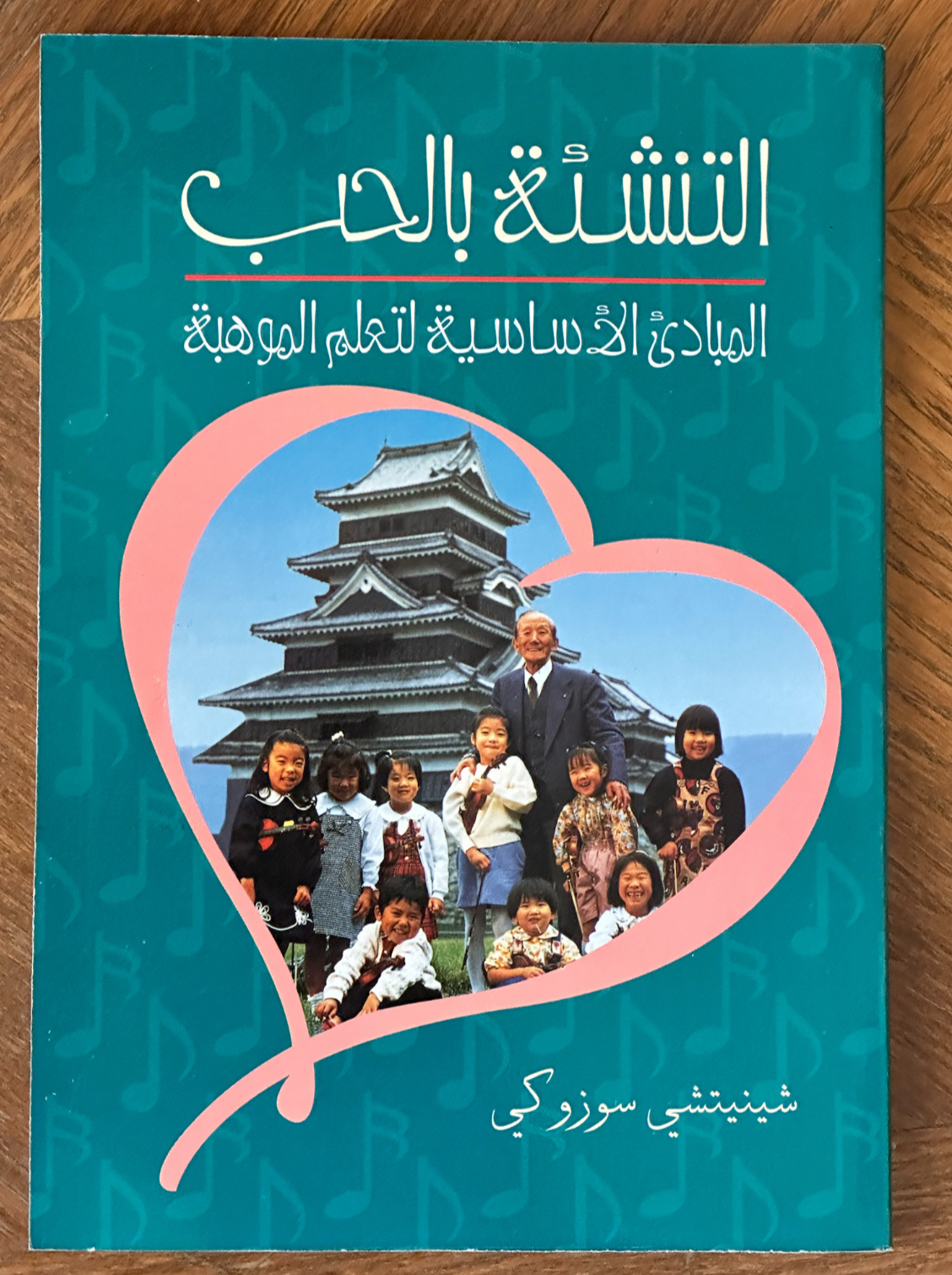
In 2001, Dr. Mohsen Edward, husband of Dr. Mona Fekry, translated Dr. Shinichi Suzuki’s landmark book Nurtured by Love: The Classic Approach to Talent Education into Arabic.
The publication introduced Suzuki’s educational philosophy to Arabic-speaking parents, teachers, and musicians for the first time.
The Arabic edition quickly became one of the principal educational references for Suzuki teachers throughout Egypt. Many educators who studied the book later established their own music studios and Suzuki-inspired teaching programs, contributing to the continued expansion of the Method across the country.
Beyond the translation itself, Dr. Mona Fekry and Dr. Mohsen Edward regularly attended international Suzuki conferences and conventions across Europe and North America, strengthening Egypt’s connection to the worldwide Suzuki community while bringing new pedagogical ideas back to Egyptian teachers and families.
The Arabic translation became an important milestone in the development of Suzuki education, helping establish a shared educational philosophy among a growing network of Egyptian music educators.
Both Dr. Mona and Dr. Mohsen have attended numerous international Suzuki conferences across Europe, and North America. These gatherings allowed them to deepen their knowledge, exchange teaching ideas with leading Suzuki educators, and strengthen Egypt’s connection to the worldwide Suzuki community.
This work not only expanded the network of Suzuki teachers in Egypt but also helped create a bridge between Egyptian music education and the global movement inspired by Dr. Suzuki’s vision.
2004 – Egypt’s Renewed International Presence
A decade after Egyptian Suzuki students first performed in Japan, Egypt strengthened its international presence once again.
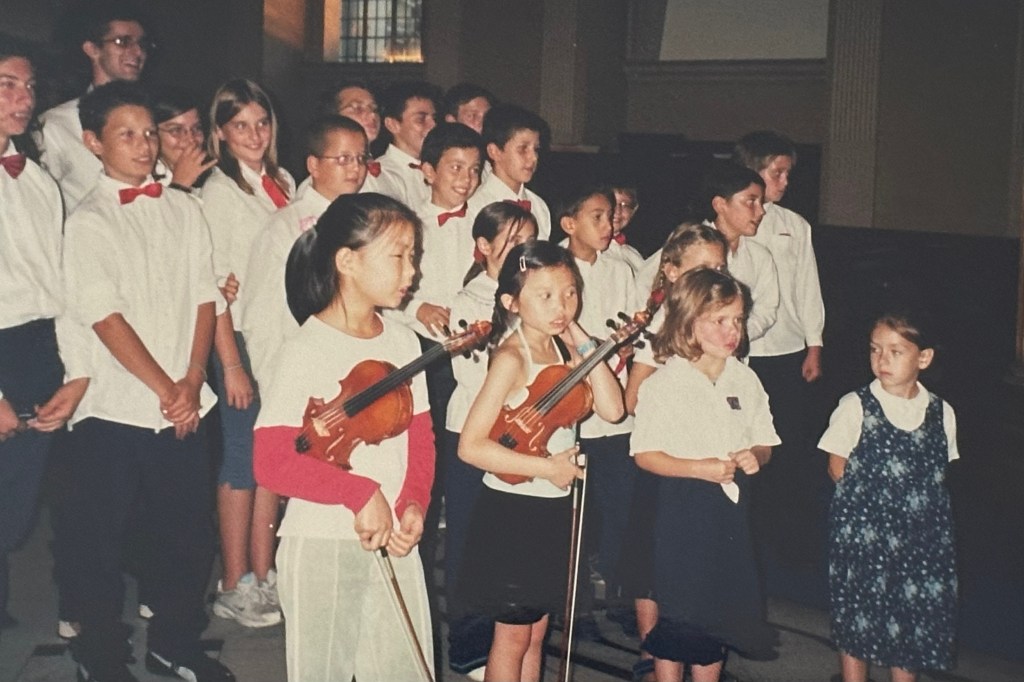
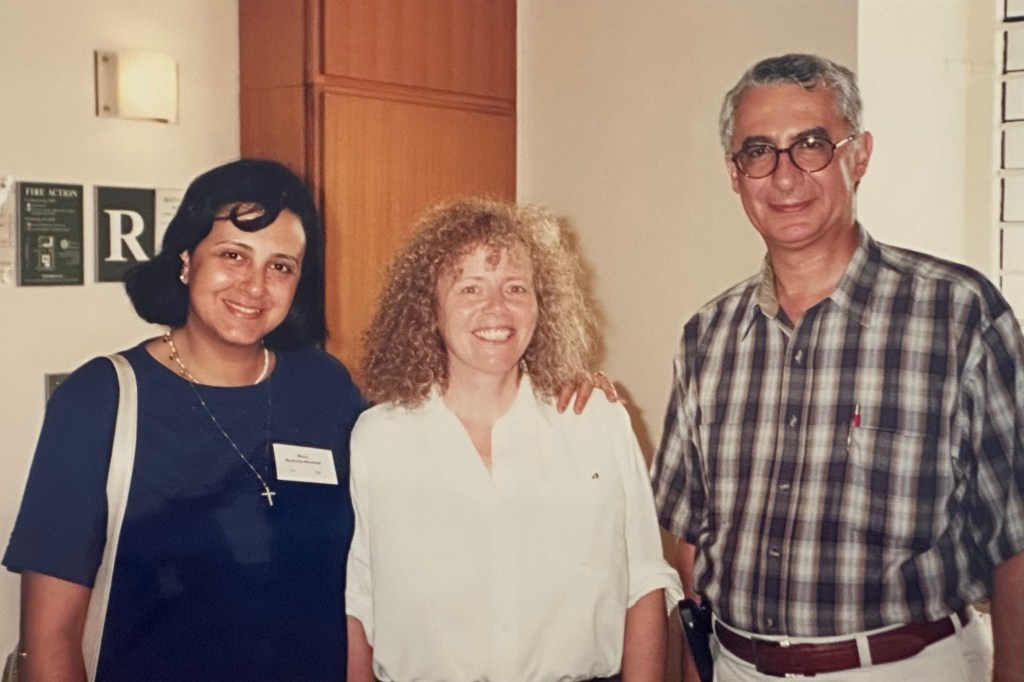
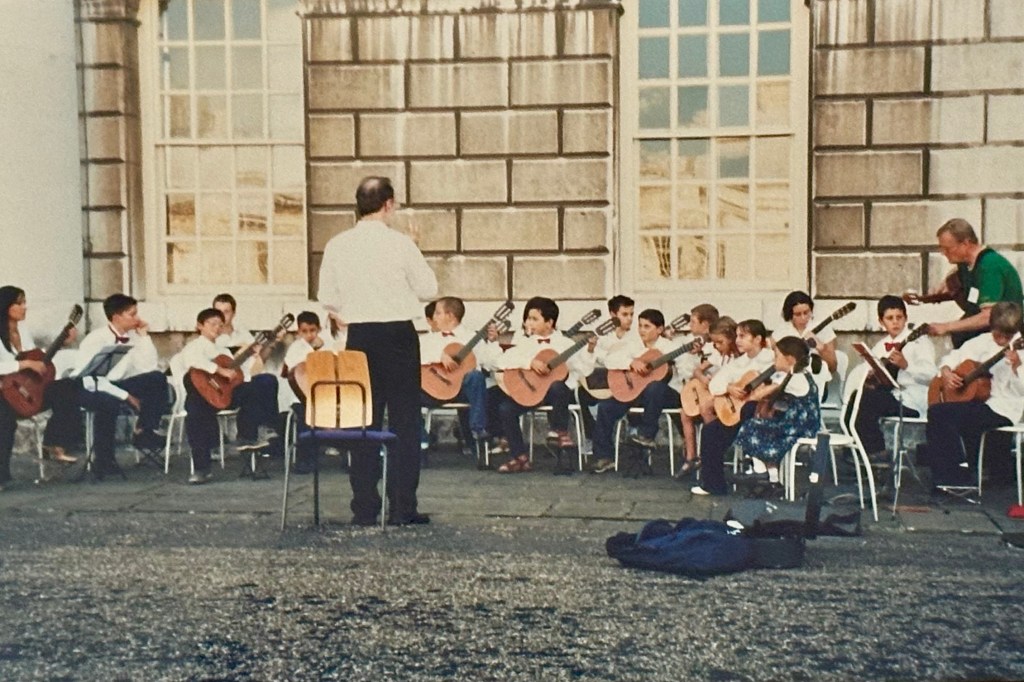
In 2004, Dr. Mona Fekry and Dr. Mohsen Edward attended the European Suzuki Convention in London, accompanied by their sons Georges and Samuel Mohsen, who represented the first generation of Egyptian children raised through the Suzuki Method.
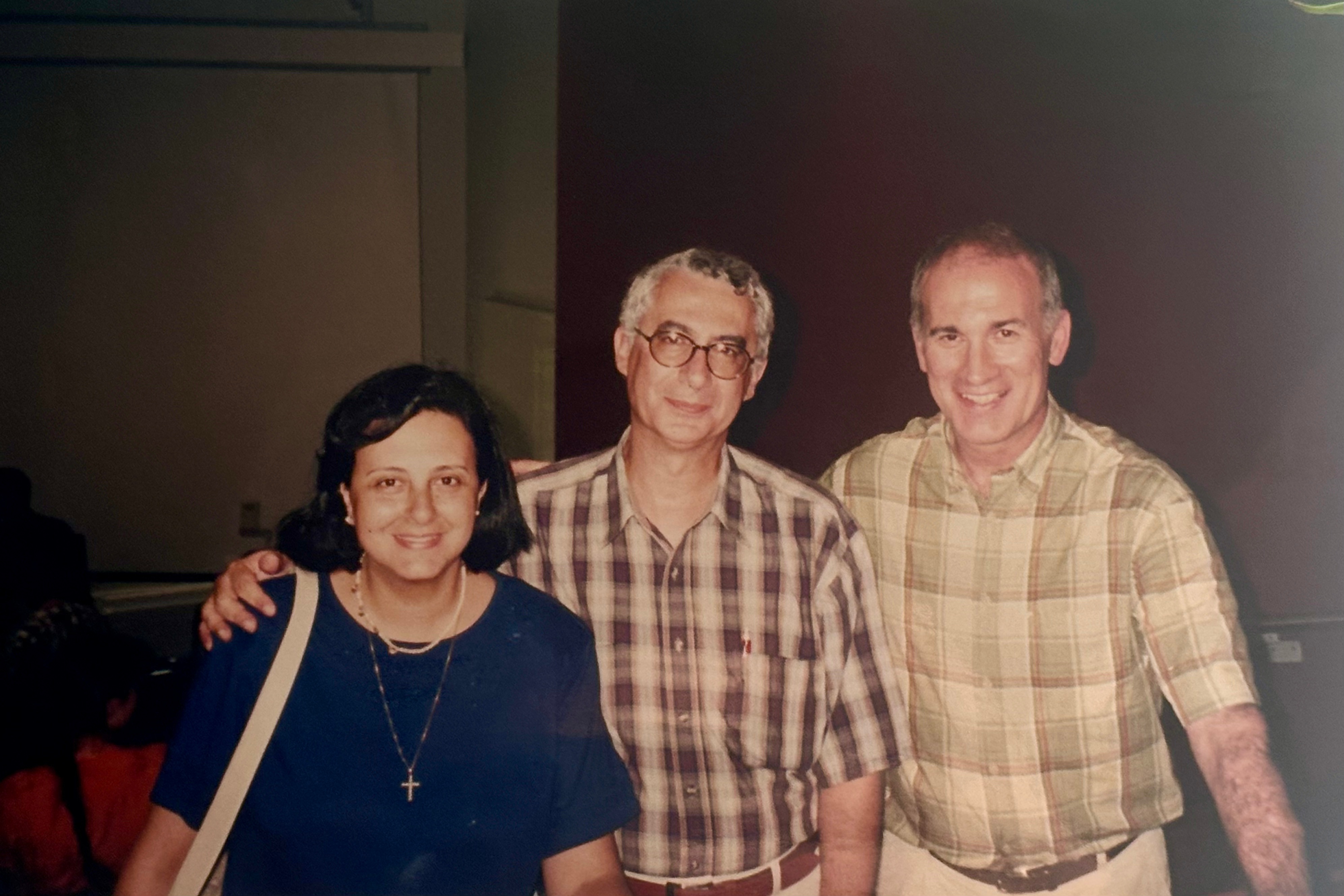
As young violinists and future teachers, Georges and Samuel participated in workshops, masterclasses, and orchestras while learning directly from leading European Suzuki pedagogues.
During the convention, Dr. Mona Fekry presented the Egyptian experience of introducing and developing the Suzuki Method, sharing both the challenges and achievements of building a Suzuki community within a different cultural context.
Their participation reflected Egypt’s growing role within the international Suzuki movement and strengthened relationships with teachers and organizations from around the world.
At the convention, Dr. Mona also shared her experience of introducing and nurturing the Suzuki Method in Egypt — reflecting on the challenges of building awareness, training teachers, and gaining acceptance in the country, while also highlighting the progress achieved and the community that had grown around the philosophy since Dr. Osman first launched the Suzuki violin class at the Cairo Opera House in 1993, and since she herself introduced Egypt’s first Suzuki piano class in 1997. For the Egyptians, the convention was more than an opportunity to absorb new perspectives: it was a platform to contribute their own journey — as teachers, parents, and first-generation Suzuki students — to a broader dialogue on accessibility, cultural adaptation, and sustaining enthusiasm for music education.


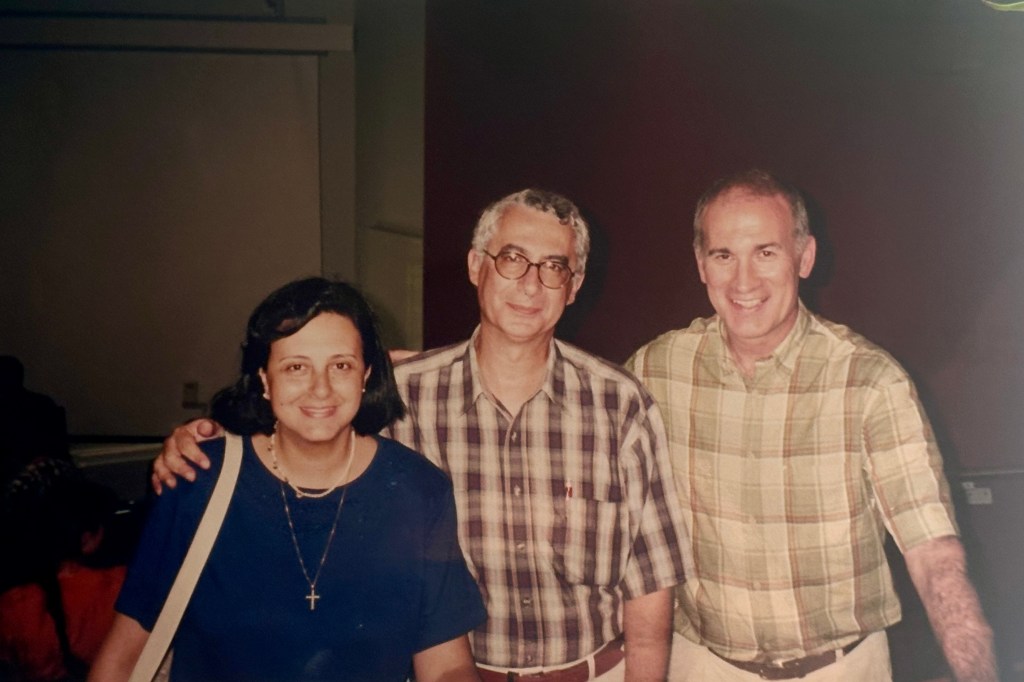
2007 – Suzuki Violin Beyond the Cairo Opera House
2007 – Suzuki Education Beyond the Opera House
By 2007, the Suzuki Method entered a new phase in Egypt.
Among the first generation of Egyptian children trained through the Suzuki Method, Georges and Samuel Mohsen established the first independent Suzuki violin program outside the Cairo Opera House through the Cairo Suzuki Music Center.

This was more than the opening of a new violin class—it represented an important evolution in the implementation of the Suzuki philosophy in Egypt.
Within the governmental Opera House programs, instruction was necessarily organized primarily through group classes, enabling large numbers of children to receive music education within available public resources.
The independent model of the Cairo Suzuki Music Center made it possible to implement the Suzuki Method more fully by combining individual lessons, group lessons, and active parental participation—the three essential pillars of Suzuki education practiced internationally.
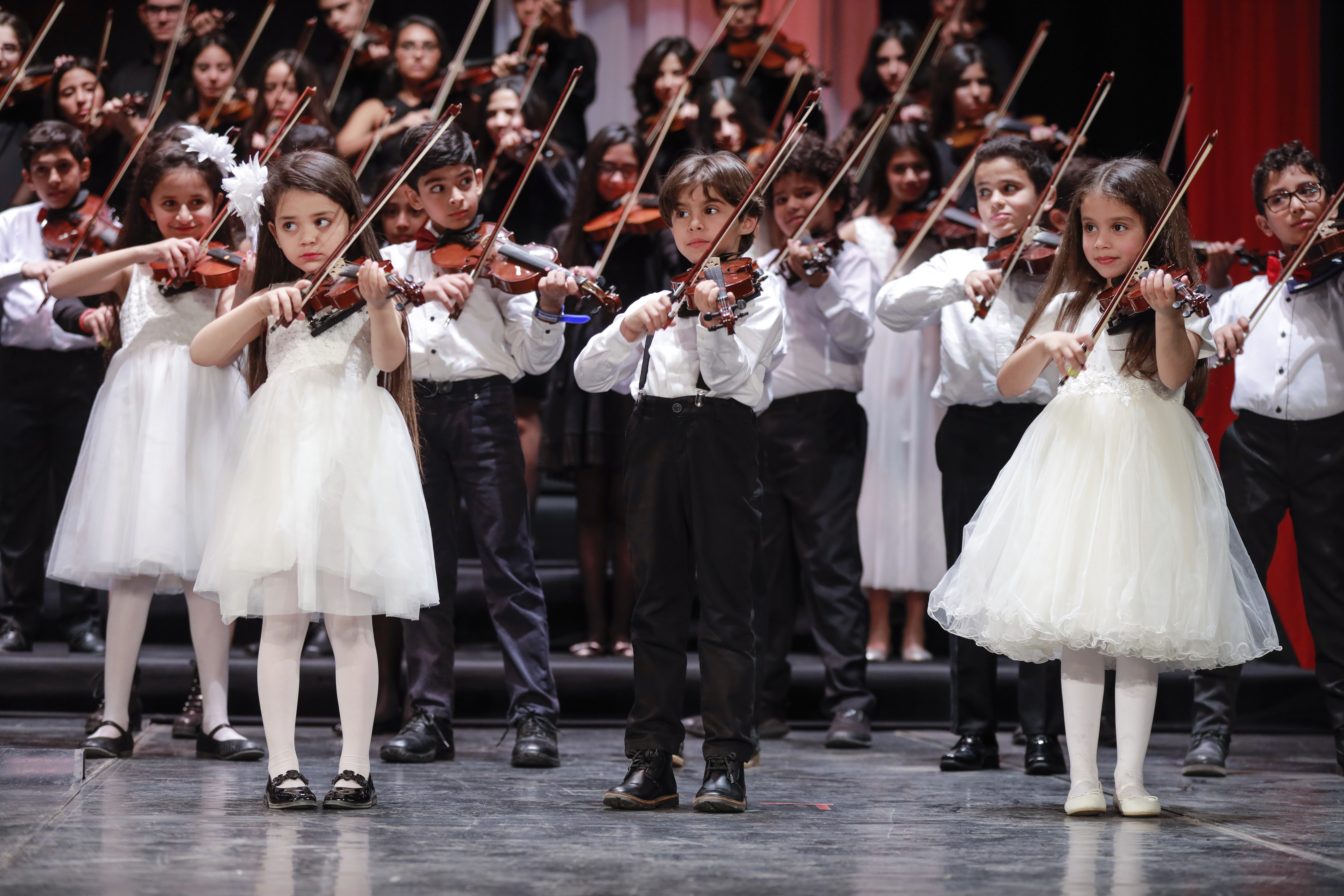
perform at The Cairo opera House
This educational model allowed teachers to adapt instruction to each child’s pace while preserving the motivational and social benefits of group learning.
Under the direction of Georges and Samuel Mohsen, the violin curriculum also evolved beyond the traditional Suzuki repertoire, incorporating Romantic and modern violin literature, chamber music, Disney songs, contemporary popular music, and Egyptian repertoire. Technical exercises, scales, and music reading were introduced from the earliest stages, creating a broader musical education while remaining faithful to Dr. Suzuki’s philosophy.
Their contribution has also extended beyond the classroom. To support students’ musical development, Georges and Samuel have created a growing collection of original educational resources, including the Violin Practice Journal, designed to encourage mindful practice, goal setting, and musical reflection, and My Violin Journey (MVJ), an innovative educational collectible card series that celebrates musical milestones while motivating young violinists through positive reinforcement and imaginative learning. These resources reflect their commitment to adapting the Suzuki philosophy for a new generation of students while preserving its core values of encouragement, consistency, and joyful learning.
Continuing the Legacy
More than thirty years after the Suzuki Method first arrived in Egypt, its influence continues to grow.
From the pioneering work of Dr. Osman El Mahdy at the Cairo Opera House, to the establishment of Egypt’s first Suzuki piano program by Dr. Mona Fekry, the Arabic translation of Nurtured by Love by Dr. Mohsen Edward, and the expansion of independent Suzuki education through Georges and Samuel Mohsen, each generation has contributed to making the Suzuki Method accessible to more Egyptian families.
Today, the Suzuki Method in Egypt extends far beyond the walls of the Opera House. It lives in music schools, studios, concert halls, and homes across the country, where teachers, parents, and children continue to embrace Dr. Shinichi Suzuki’s enduring belief that every child can learn, every child can grow, and every child can develop a beautiful heart through music.

