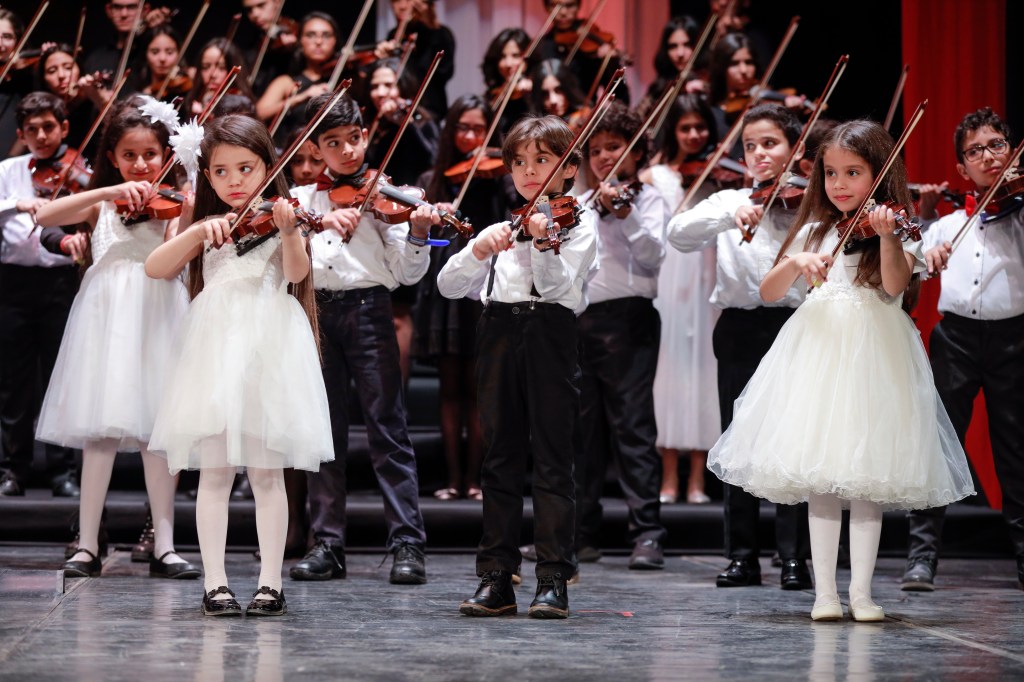
By Georges & Samuel Mohsen
One of the greatest challenges facing young violin students is not learning the correct notes or mastering difficult techniques, but developing the habit of practicing consistently. While talent and enthusiasm may inspire a child to begin learning an instrument, it is regular, mindful practice that transforms beginners into confident musicians.
At the Cairo Suzuki Music Center, we encourage our students to establish healthy practice habits from the very beginning of their musical journey. Children do not need to practice for hours each day to make meaningful progress. In fact, setting aside a fixed time—even if it is only ten or fifteen minutes—is often far more valuable than practicing for long periods only once or twice a week. Like reading a book before bedtime or brushing one’s teeth, practicing the violin becomes a positive daily routine.
Over weeks, months, and years, these seemingly small moments accumulate into remarkable progress. More importantly, children begin to understand one of the most valuable lessons music can teach: meaningful achievements are built through patience, perseverance, and consistency.
It was with this philosophy in mind that Georges & Samuel Mohsen designed the Violin Practice Journal, practical companion that helps students develop healthy practice habits, monitor their progress, and celebrate every milestone along their musical journey. More than simply recording weekly assignments, the journal encourages students to reflect on their practice, become independent learners, and appreciate that every practice session, no matter how short, contributes to long-term growth.
Why Keep a Violin Practice Journal?
One of the greatest challenges for young musicians is that progress often feels invisible. A child may practice faithfully every day without noticing significant changes, yet when looking back after several weeks or months, the improvement can be extraordinary.
A violin practice journal makes this progress visible.
Recording daily practice encourages responsibility and self-discipline while helping students recognize the value of consistency. It also strengthens communication between teachers, parents, and students, creating a shared understanding of goals, challenges, and achievements.
Perhaps most importantly, it transforms practice from an occasional obligation into a positive daily ritual. Rather than measuring success by perfection, students learn to celebrate commitment, knowing that each practice session is another step forward.
Celebrating Children’s Creativity Through the Cover Design
One of the most distinctive features of the Violin Practice Journal is its cover, which celebrates the creativity of the students themselves.
During their very first violin lesson at the Cairo Suzuki Music Center, every child receives a simple assignment: draw a violin and identify its different parts. Besides introducing students to the anatomy of the instrument, the exercise encourages observation, curiosity, and creativity from the very beginning.
Over the years, these drawings have become a treasured archive within the school.
Looking through them is always a joyful experience. Every child interprets the violin differently. Some drawings are remarkably detailed, while others are wonderfully playful and imaginative. There is something refreshingly honest about children’s artwork—free from convention, full of personality, and often surprisingly inventive.
Using these illustrations for the journal cover felt like the most natural decision. Rather than commissioning a polished illustration, we wanted the journal itself to reflect the imagination and creativity of the students who use it. The result is a cover that belongs not only to its authors but also to the children whose artwork reminds us that learning music should always remain joyful.
A Message to Students and Parents
The journal opens with a welcoming letter to inspire students and families to embrace the process of long-term musical growth:
Dear Violinist and Parents,
Welcome to your Practice Journal!
This journal was created especially for you—to help you monitor, reflect on, and celebrate your progress, one practice day at a time.
Sometimes growth feels slow, but when you look back after a month, or even a year of daily practice, you may be surprised by how far you have come.
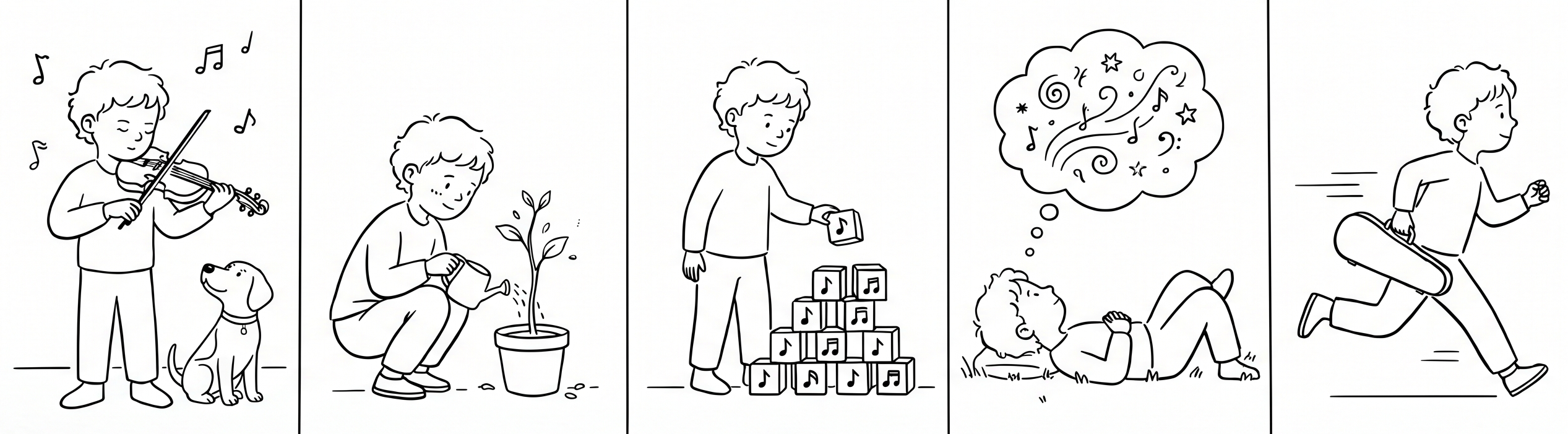
Learning the violin is like building something beautiful: it takes patience, strong foundations, and small daily steps. Every practice session, no matter how short, adds something meaningful to your musical journey.
It is also like caring for a plant. You water it, nurture it, and trust the process. You may not see results immediately, but little by little, it grows stronger and more beautiful.
Playing an instrument is also like sports—you must warm up, maintain good posture, and practice regularly. Daily practice keeps your musical muscles healthy while helping you build focus and discipline.
But music also helps us grow in another way: it makes us more sensitive, helping us listen more carefully, express our emotions, free our imagination, and connect more deeply with ourselves and others.
And remember: the day you feel like you do not want to practice is often the most important day to practice.
Trust the process, enjoy the journey, and celebrate every small step forward.
Georges & Samuel
Happy Practice! 🎻
The 100-Day Practice Challenge
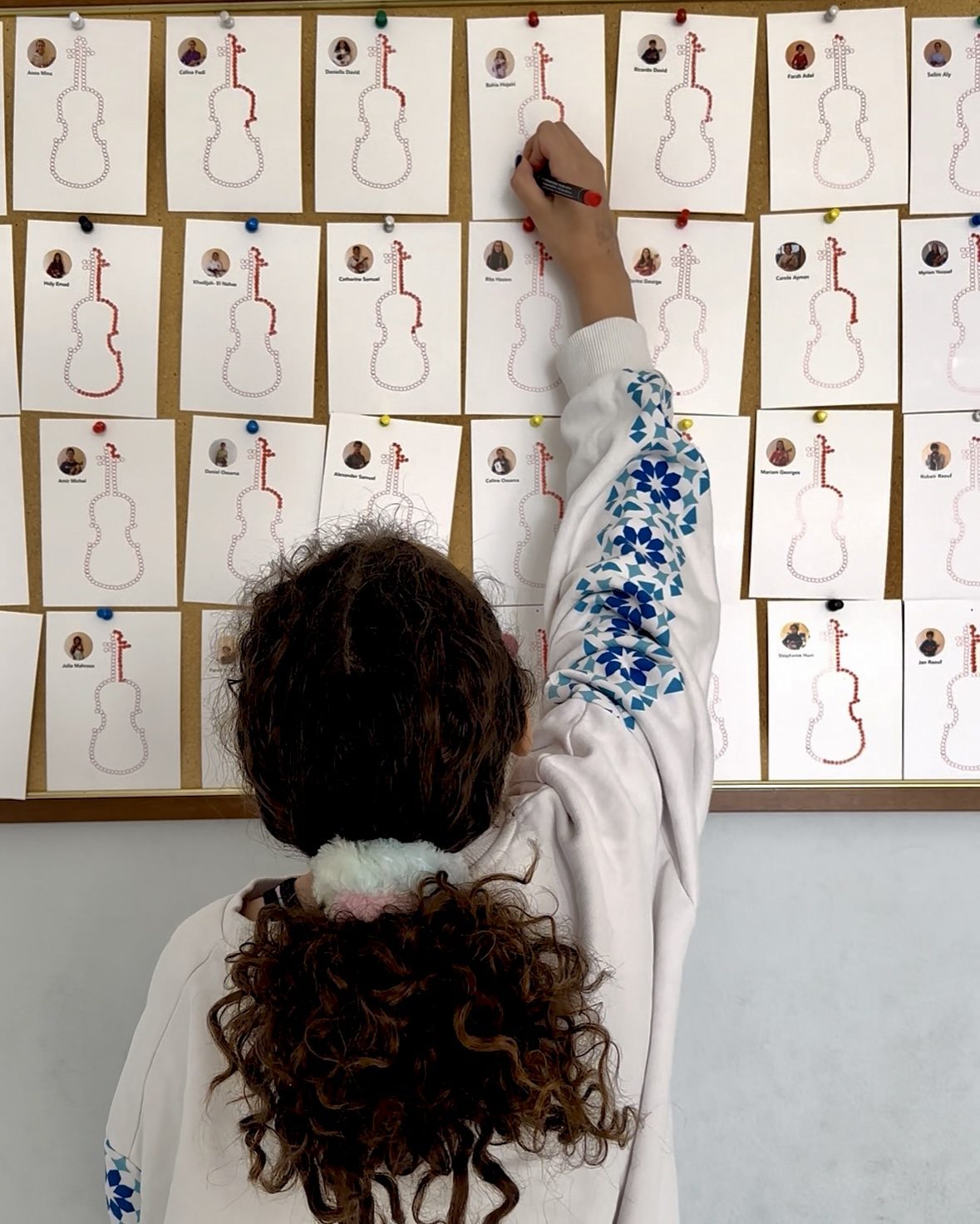
Consistency is at the heart of the journal.
To motivate students, Georges and Samuel Mohsen introduced the 100-Day Practice Challenge, encouraging children to practice regularly and witness the power of accumulated effort. while striving for perfection, students are invited to develop perseverance and discover the satisfaction that comes from showing up every day.
This long-term project teaches an invaluable lesson: progress in violin playing rarely happens overnight. Instead, improvement emerges gradually through patience, dedication, and trust in the learning process.
Learning to Observe Through Checklists
Healthy violin playing depends greatly on body awareness. For this reason, the journal includes illustrated self-assessment checklists designed to help students prepare mindfully before beginning their practice sessions.
Bow Hold and Left-Hand Self-Assessment Checklists
Proper posture and setup are fundamental to healthy violin playing. To help students develop body awareness, the journal includes illustrated self-evaluation checklists.
Bow Hand Checklist
Students are encouraged to ask themselves:
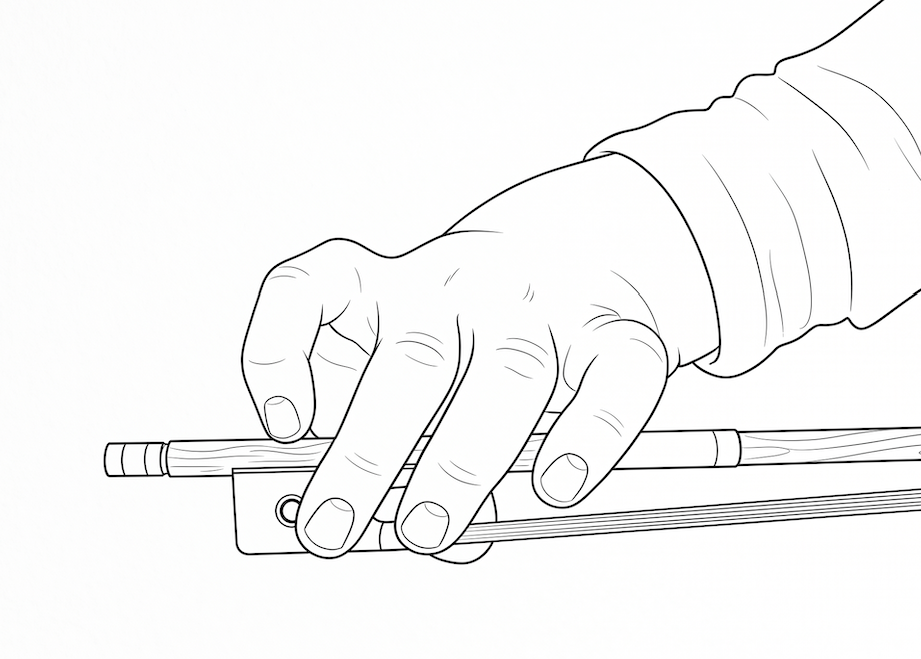
- Is my hand relaxed and natural, like when it hangs by my side?
- Are all my finger joints curved and round, like I am holding a fragile bubble?
- Are my fingers soft and bouncy like jelly?
- Is my thumb bent and hidden inside the frog?
- Is my index finger gently leaning on the stick?
- Are my middle fingers touching the frog naturally?
- Is my pinky soft and curved?
- Is my bow moving parallel to the bridge like a train on tracks?
- Am I playing in the sweet spot between the bridge and fingerboard?
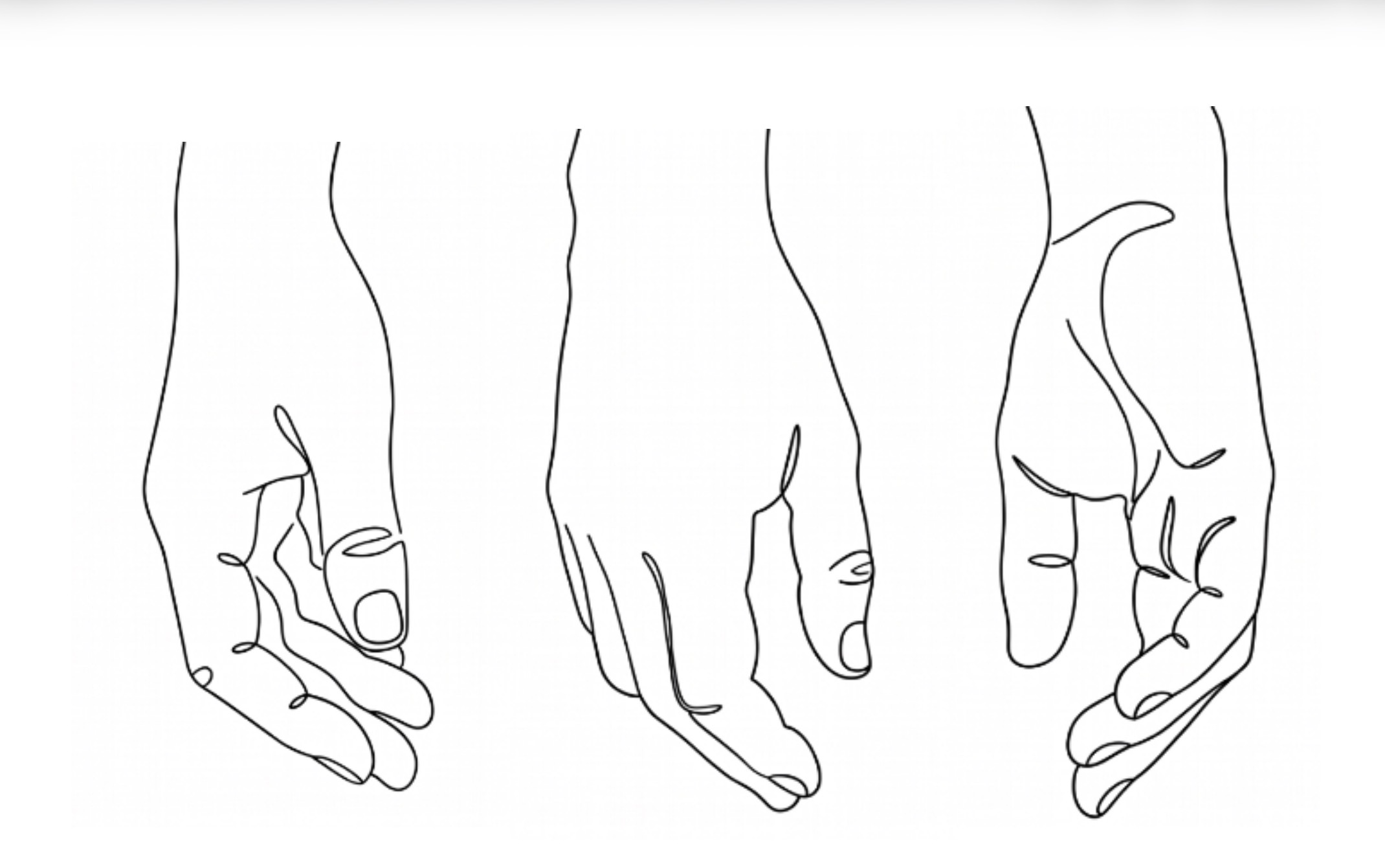
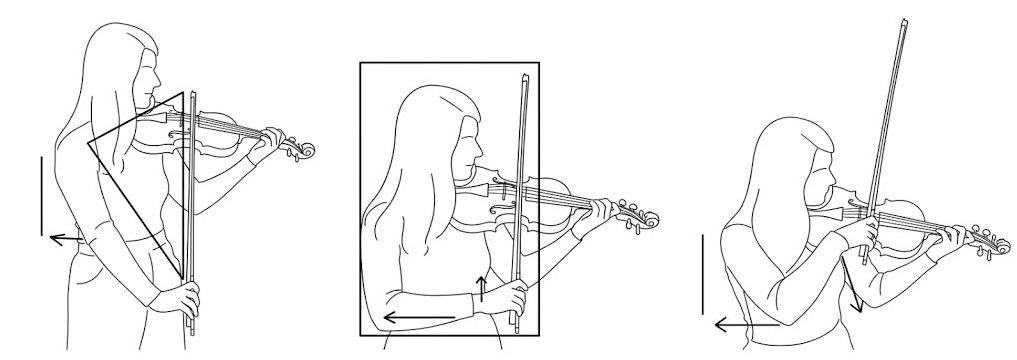
By using imaginative language and visual metaphors, technical concepts become more memorable and accessible to young learners.
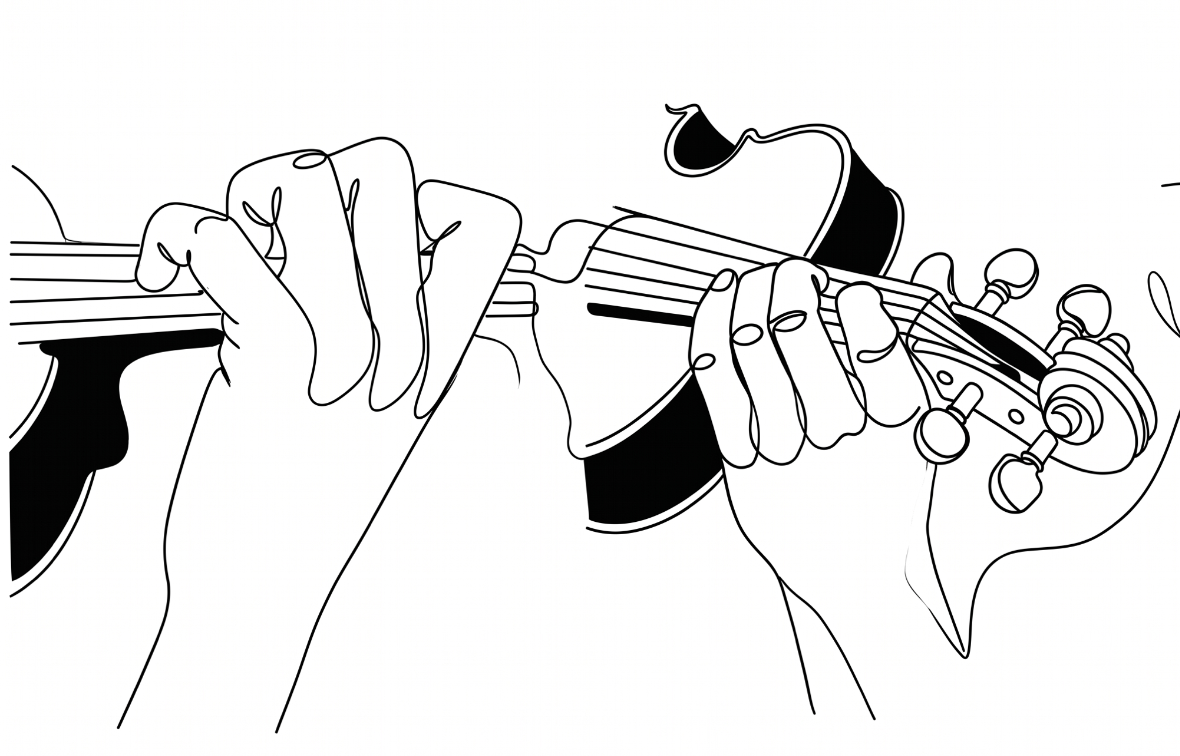
Left-Hand Checklist
Students are also guided through a left-hand posture review:
- Are my fingers curved and springy?
- Is my pinky hovering and ready to play?
- Is my thumb relaxed rather than squeezing the neck?
- Is my wrist maintaining a natural alignment?
- Can I gently tap my thumb while playing to release hidden tension?
These exercises foster self-observation and encourage students to develop healthy habits that will benefit them throughout their musical studies.
Weekly Practice Planning and Progress Tracking
Organizing the Practice Week
Each weekly spread provides students with a structured yet flexible format for home practice.
Children can record the date and week number, note the scales and arpeggios they are working on, write down pieces and assignments, and receive comments from their teacher. The pages also include visual reminders for bow hold and left-hand posture, helping students revisit important technical concepts introduced during lessons.
A screen-time monitor and space for recording average daily practice encourage families to reflect on the balance between digital activities and musical study. Finally, a weekly practice chart allows students to check off each day they practiced, turning consistency into something visible, rewarding, and motivating.
The layout allows children to visualize their commitment and recognize patterns in their practice routine. Seeing a full week of completed checkmarks often becomes a powerful source of motivation and pride.
More Than a Notebook
The Violin Practice Journal is ultimately much more than a notebook for assignments.
It reflects an educational philosophy rooted in the belief that music should nurture the whole child. Learning the violin develops discipline, patience, concentration, creativity, imagination, and resilience. It teaches children that meaningful progress rarely comes quickly, but through countless small efforts repeated with care and purpose.
For us, the journal is not simply a way of organizing practice. It is an invitation for students to become active participants in their own musical education—to observe, reflect, celebrate, and trust the learning process.
Every page reminds young violinists that success is not measured by perfection but by persistence. One practice session becomes one week. One week becomes one month. One month becomes one year. Before they realize it, they have built something truly remarkable.
Every beautiful musical journey begins with a single practice session.
About the Authors
Georges & Samuel Mohsen are Egyptian violinists, Suzuki teachers, and music pedagogues, and the founders of the Violin Department at the Cairo Suzuki Music Center. Through their teaching, they have dedicated themselves to helping young musicians develop strong technical foundations while fostering creativity, discipline, confidence, and a lifelong love of music. Alongside their teaching, they have created a range of educational resources— the Violin Practice Journal and My Violin Journey Collectable Cards—designed to encourage healthy practice habits, independent learning, and joyful musical development.
Beyond their work in music education, Georges & Samuel are internationally recognized documentary and architectural photographers and visual researchers. Their long-term practice explores architecture, cultural heritage, and collective memory through photography and archival research. Their work has been commissioned by leading architects, museums, and cultural institutions, and published internationally in architectural and design journals. Bringing together their experience in both education and visual storytelling, they believe that learning should be engaging, creative, and thoughtfully designed, inspiring children to grow not only as musicians but also as curious, observant, and compassionate individuals.
About the Cairo Suzuki Music Center
The Cairo Suzuki Music Center (CSMC) is one of Egypt’s leading institutions for piano lessons, violin lessons, and early childhood music education. Founded in 1997 by Dr. Mona Fekry, it is Egypt’s first independent institution to adopt the Suzuki Method outside the governmental programs of the Cairo Opera House and Alexandria Opera House. Since the establishment of its violin department in 2007 by violinists and Suzuki teachers Georges & Samuel Mohsen, the Center has continued to contribute to the development of music education in Egypt through teaching, educational resources, research, concerts, and community engagement.
Inspired by the educational philosophy of Dr. Shinichi Suzuki, the Center believes that every child can develop musical ability within a nurturing environment built on encouragement, careful guidance, consistent practice, and the active partnership between teachers and parents.
Offering piano and violin lessons in Cairo for children from the age of three, the Cairo Suzuki Music Center combines individual lessons, group classes, performances, workshops, and a carefully developed curriculum that blends the Suzuki repertoire with music theory, technical studies, chamber music, and a diverse range of classical and contemporary works. This balanced approach helps students build strong technical foundations while developing confidence, creativity, discipline, and a lifelong love of music.
Beyond the classroom, Georges & Samuel Mohsen have developed original educational resources—including the Violin Practice Journal and My Violin Journey (MVJ)—to encourage thoughtful practice, musical growth, and joyful learning for young violinists.
For nearly three decades, the Cairo Suzuki Music Center has welcomed families seeking piano lessons in Cairo, violin lessons in Cairo, and music education in Egypt, creating a supportive community where children learn, collaborate, overcome challenges, and discover the joy of making music together. Today, the Center continues to inspire new generations of young musicians through the enduring belief at the heart of the Suzuki Method: Every Child Can.

